Harmoni: modulable aging gut models for women's health research
About it
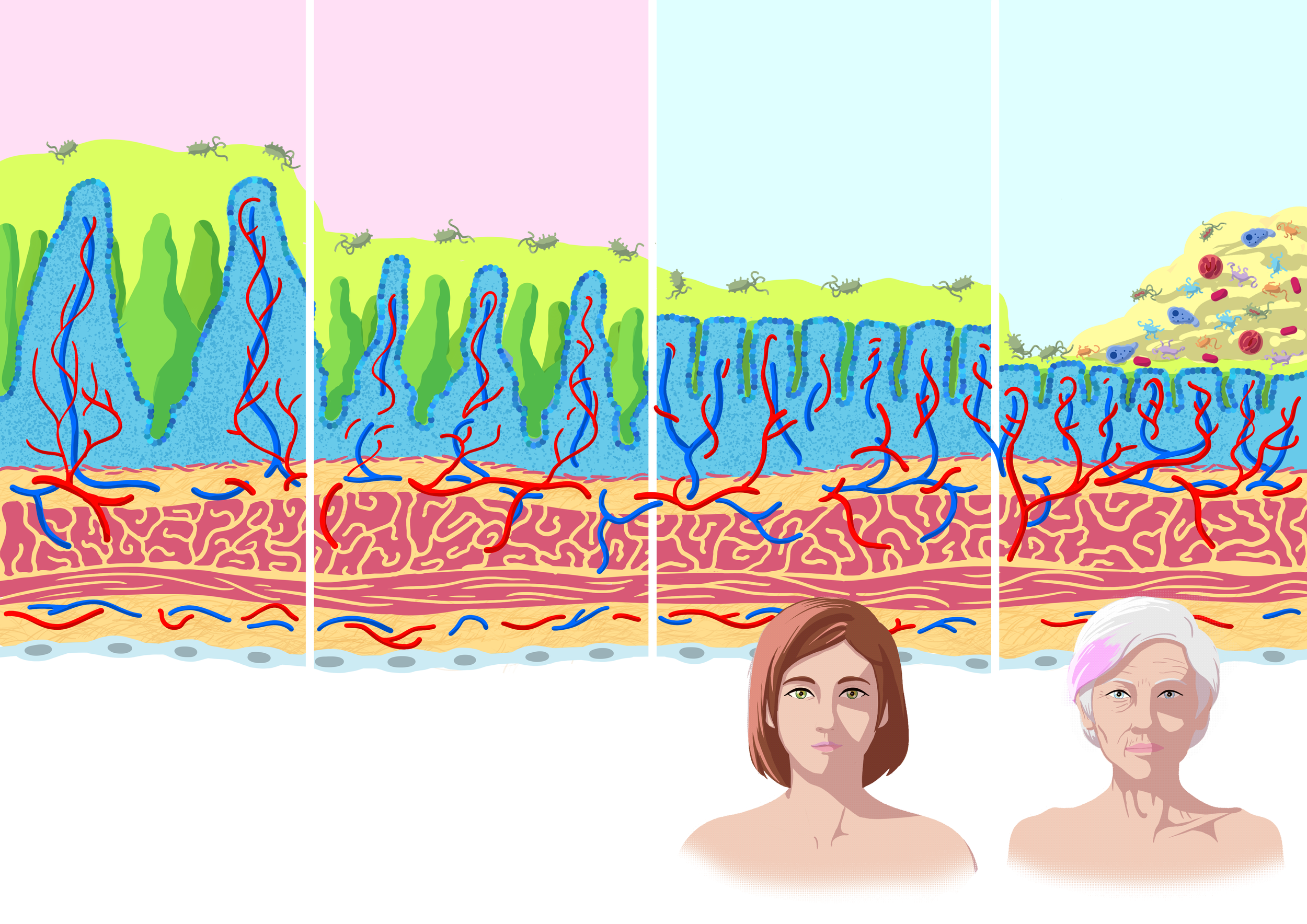
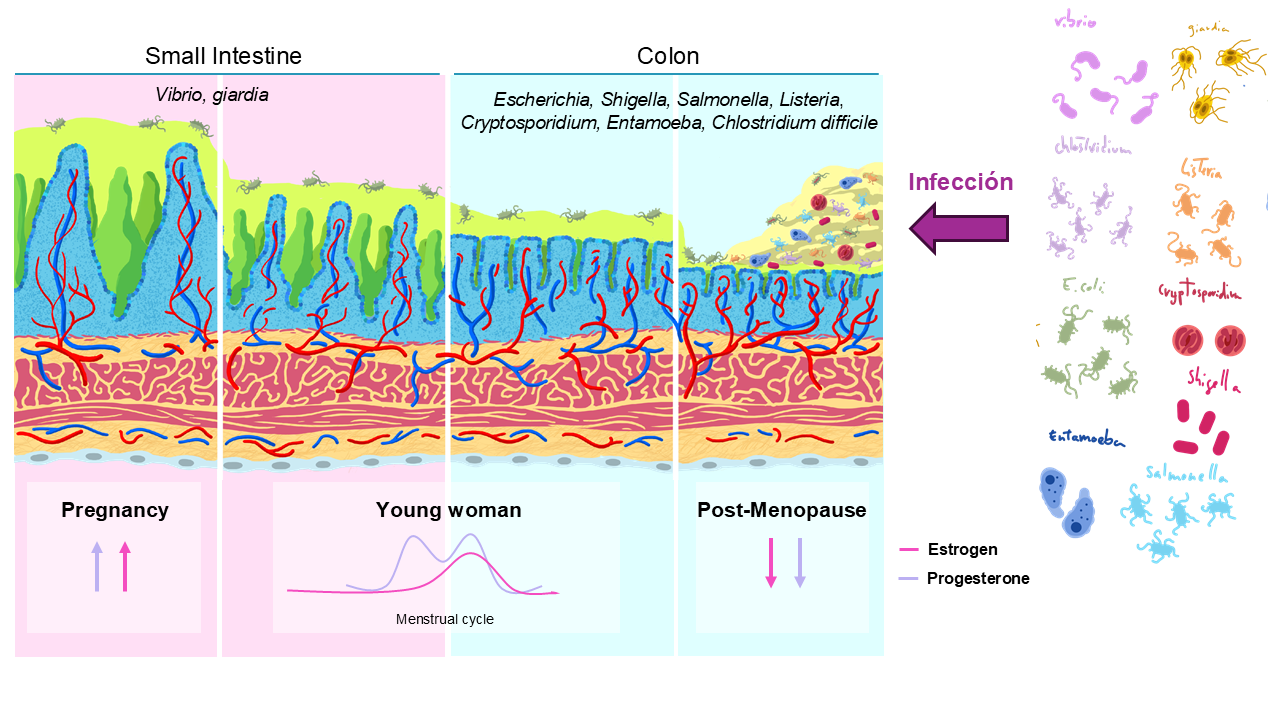
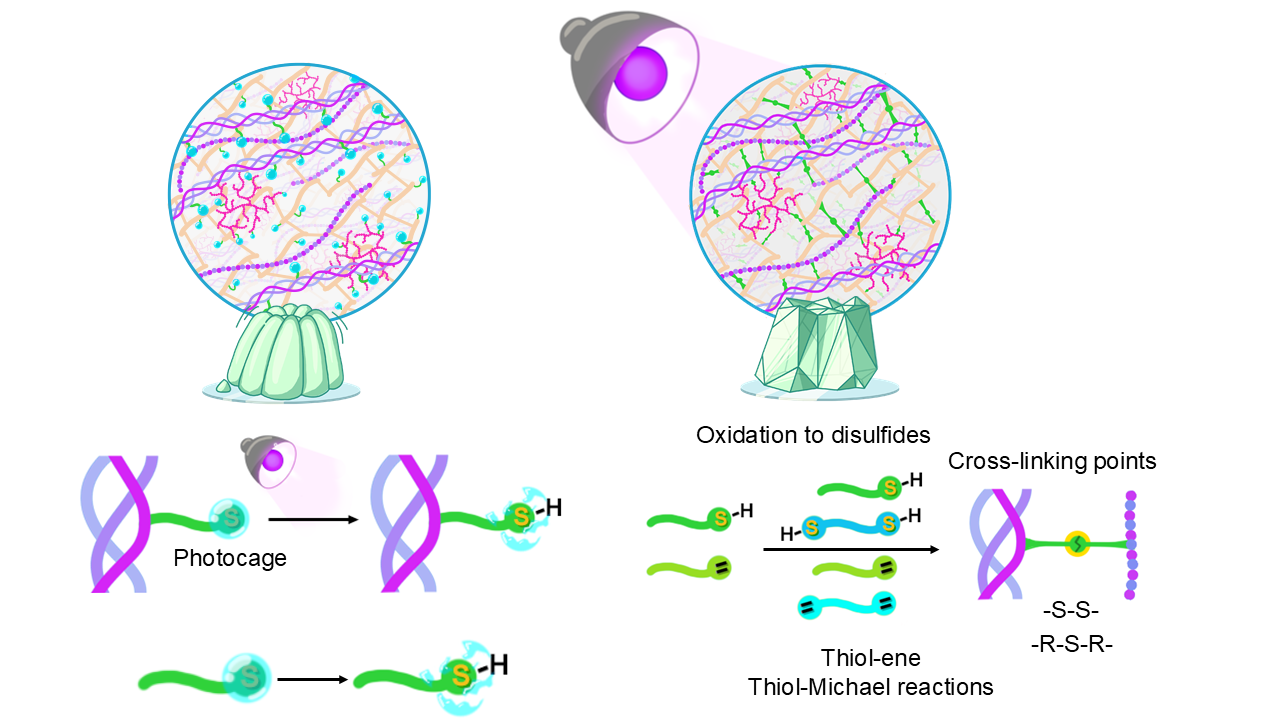
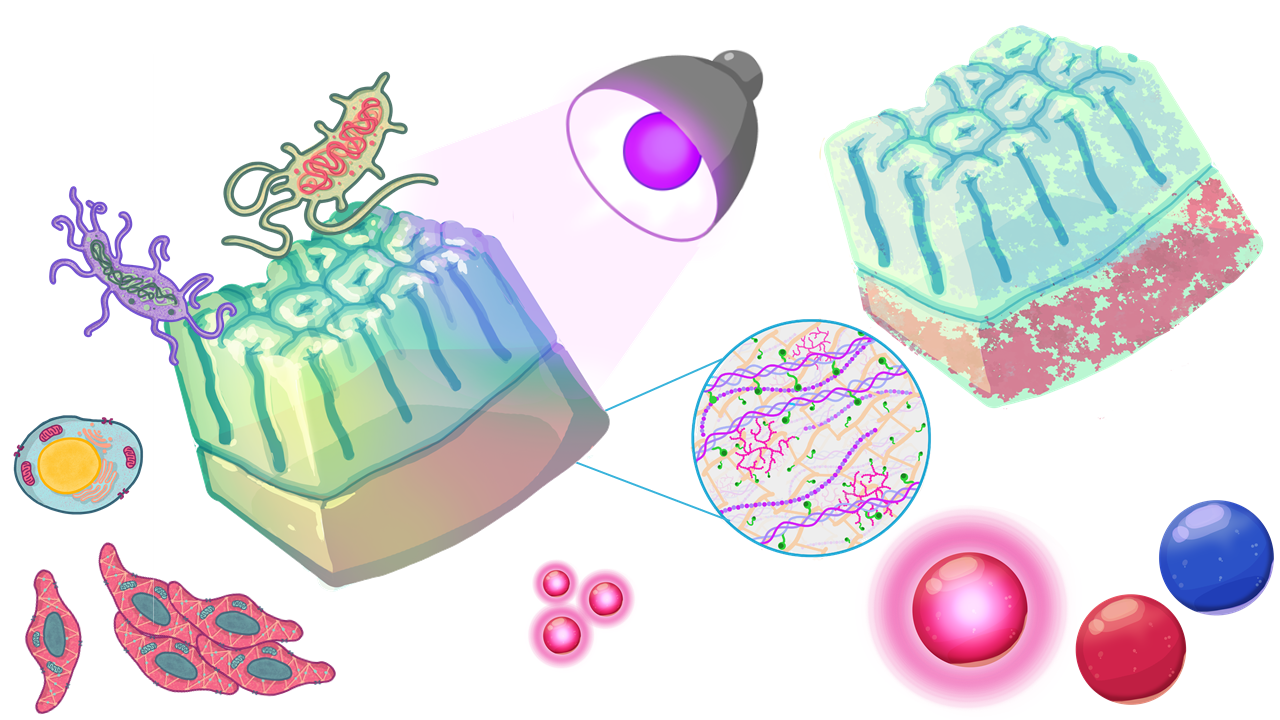
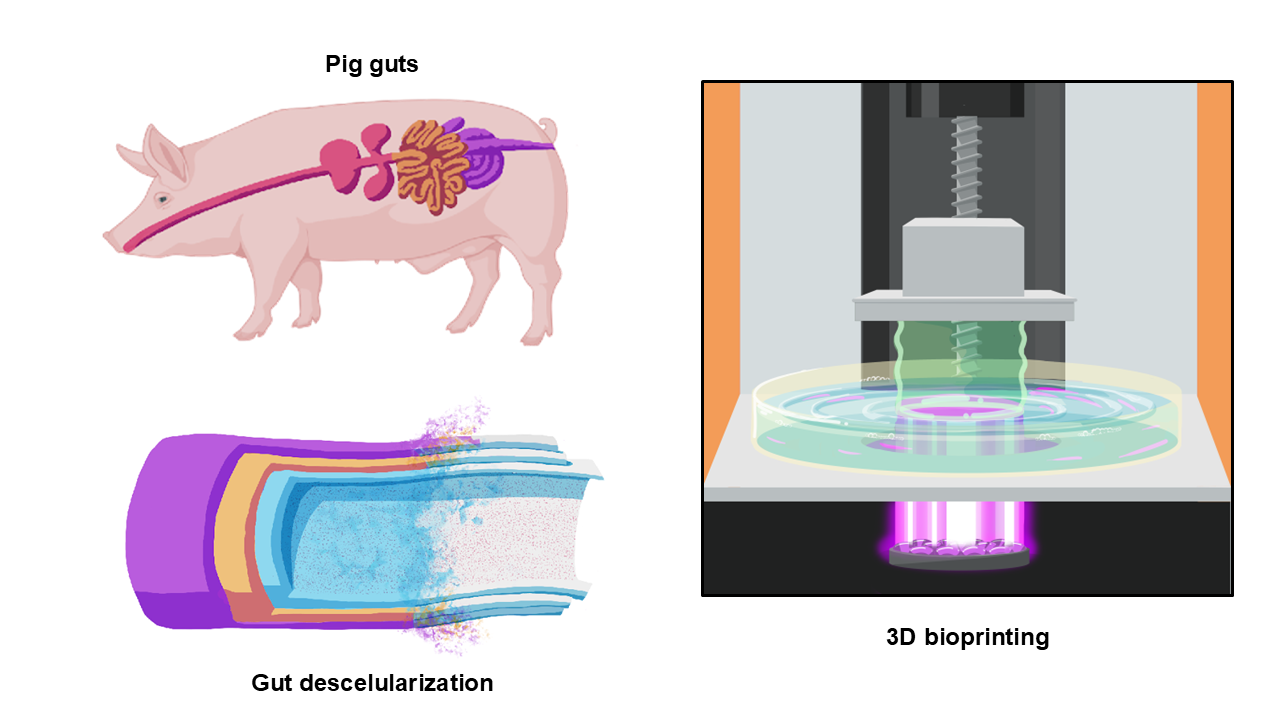
Harmoni is a research project focused on building modifiable gut models for women's health research at different life stages. The science involves the synthesis of an artificial living model of the gut, with modifiable properties shaped by hormones. I handled the entire visual side for Dr Clara García Astrain
Roles: Conceptualisation, Illustration
Client: POLYMAT & Euskal Herriko Unibertsitatea
Tools: Photoshop
The Challenge
The project required a full set of over 20 independent illustrations covering schemes, processes, and applications, alongside the visual identity. Distilling the project's essence into a single mark that the team could actually identify with was a challenge in itself. Every piece had to work on its own and remain reusable as the project evolves, while still reading as part of a unified visual system. My usual style runs bold and expressive; here I needed to dial it back toward something more refined and restrained without losing personality.
The Process
I built everything as a modular visual system: each illustration is self-contained but shares the same palette, line treatment, and tone, so any piece can be dropped into a presentation, a poster, or a social media post and still read as Harmoni.
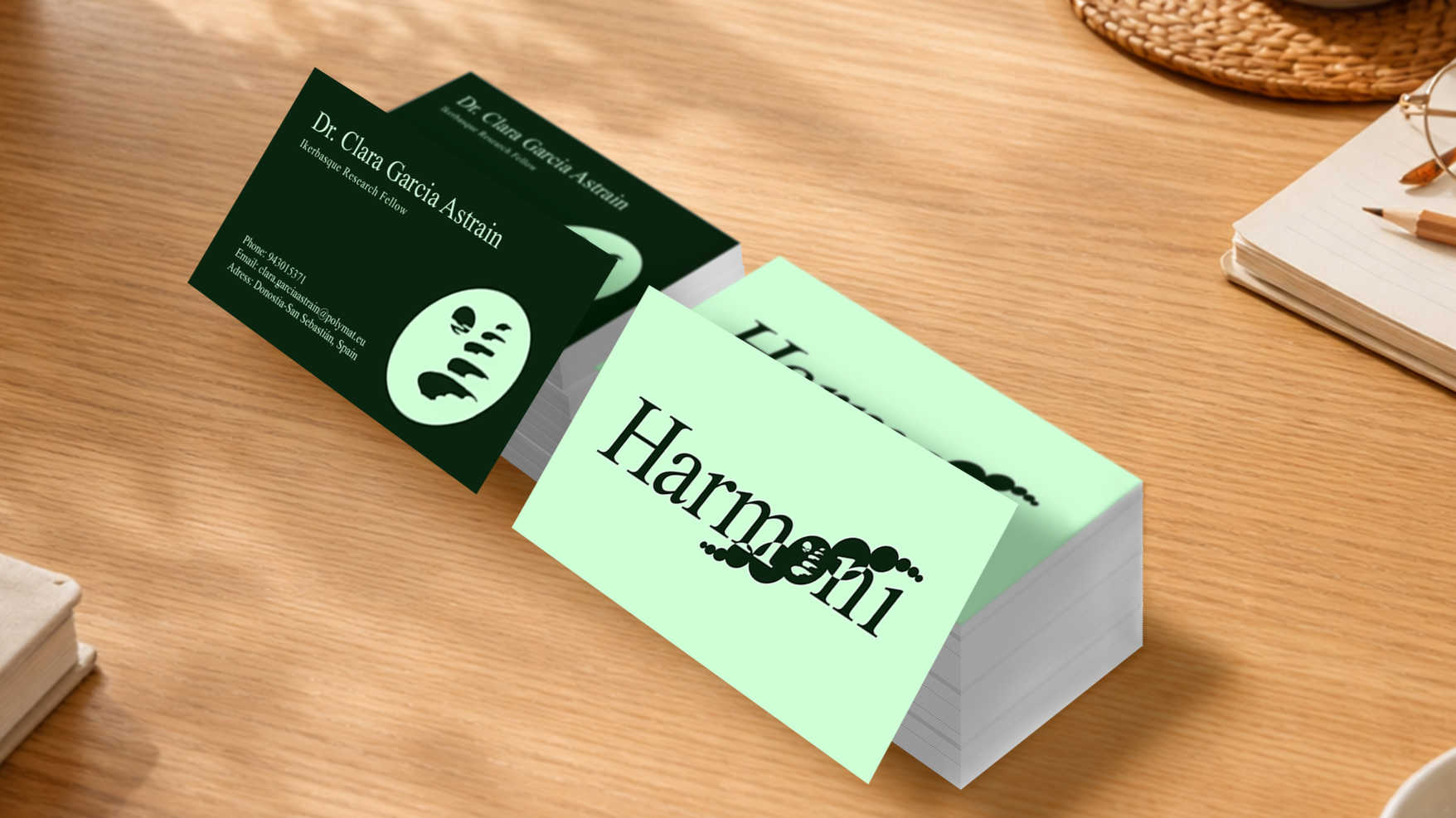
Building the logo was a separate exercise entirely. This one needed to speak more "project identity" than illustration, almost like a piece of visual poetry. It's built around the idea of balance, using a stack of rocks that echoes the shape of gut villi, paired with a moon. Together they form a small landscape that suggests a cycle, like life itself, or the woman's cycles. A chain of circles runs through it, the kind typically used to represent polymer chains, which fits since the whole project is built on polymerisation and cross-linking. That chain links the "O" and the dot of the "I" in the wordmark, with the circles changing size along the way to hint at modularity, the same modularity that defines the gut models themselves.